Stand on the banks of the Hudson in late mid-day and you can nearly hear it: a hum of amps from a garage in Saugerties, a bass riff drifting out of a Kingston shop, an entrapment check echoing down a Woodstock side street. Rock music never left the Hudson Valley. It merely threaded itself right into the daily fabric of this area, from coffee shop phases to summertime celebration areas. If you want to discover rock right here, you're strolling right into a living ecosystem, not a clean and sterile classroom.
This overview maps the surface, from initial guitar lesson to full-stage performance. I've instructed, played, and saw numerous Hudson Valley trainees relocate from tentative power chords to ripping their very first solo under lights. The region rewards inquisitiveness and stamina, and it's kinder to newbies than most scenes. If you're searching "music institution near me," you will not be brief on choices. The trick is comprehending just how they vary and what makes rock-and-roll education and learning flourish here.
The lay of the land: scenes within the scene
The Hudson Valley is not a pillar. The I‑87 corridor stitches together pockets with unique personalities, which personality turns up in lessons and programs.
Woodstock continues to be the spiritual home, not since every person is chasing a 1969 reproduction, however since bands below treat performance as discussion greater than spectacle. The rock band program Woodstock workshops run has a tendency to prioritize interaction, dynamics, and listening. You'll see ensembles rehearsing on weekdays for Saturday afternoon reveals where half the target market understands each player by name.
Kingston has a grittier side, a functioning community pulse that suits garage rock and indie. Spaces are smaller sized, phases closer to the door, and those facts shape the rearing. Teachers push tight setups, quick changes, and equipment understanding. If the snare ring battles the area, you find out exactly how to tune it out or tune it right.
Saugerties sits between both, secured by family members schedules and a noticeably neighborly vibe. Music lessons Saugerties NY workshops supply frequently start with a handshake and a calendar. These programs understand trainees handle football, AP Chemistry, and granny's Sunday dinner. Flexibility issues, therefore does keeping the joy undamaged when life crowds the practice window. Drum lessons Saugerties instructors stand out at bite-size development: two loads today, a new hand pattern next, and steady, truthful feedback.
North and south of these hubs, you'll find cellar workshops in Catskill, community programs in New Paltz, and exclusive educators populated right to Sign. It's an internet. The point is not to chase after status, however to discover a place whose rhythm matches yours.
What "performance based music institution" really suggests here
You'll see the phrase anywhere. In the Hudson Valley, a performance based music institution does greater than align a recital at the end of the semester. The entire educational program orbits around preparing for a program, then gaining from it.
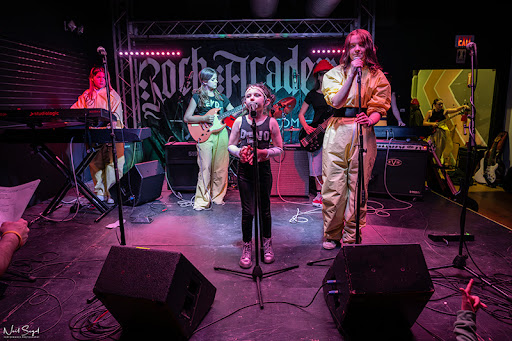
Here's the functioning version. Students pick tracks very early and rehearse weekly, not as a generic workout however with an actual stage day on the schedule. Teachers assign components according to pupil degree, then revolve obligations: a newbie holds the origin on bass throughout verse one, an advanced pupil walks the line in verse two. Drummers exercise count‑offs and stick clicks, vocalists learn how to set monitoring choices, and guitarists obtain the unglamorous lesson of arranging quantity at soundcheck and leaving it there.
The magic occurs after the show. Teachers hold debriefs to explore what really happened. Did the bridge drag? Were the support vocals lost after the second chorus? Did nerves spike throughout the solo? Those post‑mortems develop resilient artists. You can not get that by grinding scales in a vacuum cleaner. You earn it by tipping under lights, miscounting a break, and returning the next week a little wiser.
Choosing your lane: private lessons, ensembles, or both
Every strong rock player I recognize can point to a season of exclusive lessons, a stretch of band job, and preferably both. Each format does a different job.
Private lessons are where strategy and vocabulary expand. In guitar lessons Hudson Valley studios, as an example, an excellent teacher supports strategy to songs you really appreciate. If you like the Clash, you'll find out alternative strumming on "Train in Vain." If Jack White is your north celebrity, you'll encounter hybrid selecting while working through "Icky Smack." A thoughtful instructor folds concept into those moments: intervals when you're figuring out why a riff works, voice leading when you're smoothing an unpleasant chord change.
Drum lessons Saugerties or Kingston frequently start with feeling. Rock demands a solid pocket, and that pocket is learned one community at a time. Great drum teachers use a mix of metronome job, play‑along tracks, and genuine drum set comfort designs. They gauge development by feel and uniformity as opposed to by the number of paradiddles memorized. Rudiments matter, however in solution to the means the backbeat lands.
Ensemble programs take what you find out secretive and force it to connect. You discover quickly that a completely executed lick means little if you crowd the singer or press the tempo throughout the break down. You also construct theatricalism: exactly how to walk on, count in, fix a cable television failure in ten secs, and smile when a display passes away. That last skill is underrated.
The sweet area for the majority of students is one personal lesson a week plus one band rehearsal. If time enables only one, I nudge newbies towards personal for a season to avoid developing ensemble habits on unsteady method. If a pupil has solid fundamentals and an impulse to play out, the ensemble precedes, with targeted exclusive check‑ins prior to shows. There is no solitary right series. There's your reality and the end results you care about.
Rock band program Woodstock: exactly how it feels from the inside
Let me illustration a common week from a Woodstock ensemble I helped trainer last springtime. Ages varied from 12 to 16. The set consisted of "Reptilia," "7 Nation Army," and a local vocalist's initial, "Riverbend."
Monday: the singer brings a scratch demonstration for "Riverbend." We pay attention twice. She's timid, so I ask two questions she can respond to without defending the tune: what tempo really feels right, and where do you desire the drums to take off? The drummer recommends a halftime chorus, the bassist desires a pre‑chorus decrease to produce space. We mark it on the graph with a thick pencil.
Wednesday: the guitarist arrives with a riff that complements the verse. It battles the vocal range. We relocate up a whole action, then retune. It sits better. We run "Reptilia" at album pace, after that five clicks slower, after that 5 faster. Priceless lesson: a song can make it through tempo drift, however stress increases when no person owns the count‑off. The drummer begins managing count‑offs from then on.
Saturday: we preview the set at a coffee shop in town. The PA is particular. Throughout the second tune, a keyboard cable stops working. The bassist hands off a spare without drama. The area exhales. That relocation had not been on a syllabus, but it originated from shared expectations built over weeks.
After the program, each player writes a two‑sentence representation. Not a journal entrance, simply: what did I succeed, what do I need to deal with by Wednesday? Tiny, specific notes. The following rehearsal starts with those repairs. That loop is where development accelerates.
Kids songs lessons in Woodstock and around: maintaining delight at the center
Rock education and learning for youngsters functions when it matches the age, not the passion of grownups. An eight‑year‑old can play rock well if the instrument fits and the goals are bite‑size. I've enjoyed a small-bodied guitar transform an aggravated novice into a certain strummer in a single week because the worries were reachable and the string tension didn't battle tiny fingers.
Programs that market youngsters music lessons Woodstock commonly nail 3 elements.
They schedule brief sessions, usually 30 minutes for young newbies, with frictionless changes. They allow kids select at the very least one tune per cycle, also if it's a streamlined version of a contemporary hit. And they create displays that feel like common victories instead of high-pressure tests. The goal is to stack favorable reps. A child who grins every time they go out of a lesson is a child that will certainly still be playing a year from now.
For older kids, say 11 to 14, the stakes can move slightly towards responsibility. That's when ensemble work settles. Not every pupil needs to gig, yet finding out to count in a song, listen across the stage, and talk with an audio engineer develops confidence that splashes into non-music locations. It's a performance ability, yes, but additionally a life skill.
Adults going into or re‑entering rock
Plenty of grownups in the Valley brought an adolescent desire right into being a parent and careers, then understood at 35 or 52 that the itch never left. Excellent information: neuroplasticity does not slam closed after 25, and grown-up timetables, while stressful, usually allow for even more concentrated technique than a teen swimming in homework.
Adult lessons prosper when they appreciate time and taste. An adult beginner can go from zero to having fun with others within 8 to 12 weeks if the path is clear. I frequently begin with 2 or 3 support songs that cover core techniques: straight eighths, palm muting, a standard pentatonic lead pattern. Within a month, we add a jam evening or open rehearsal. The responsibility of a date on the calendar does greater than any kind of inspirational speech.
Adults additionally bring perseverance and a longer attention period. That makes them excellent candidates for targeted concept. Want to write your own tunes? We'll look at diatonic consistency and typical rock developments in a manner you can hear on records you like. Want to sing while strumming? We'll build sync in between right hand and voice by finding the easiest rhythmic cell that unlocks the chorus.
What excellent personal guideline resembles here
The best rock teachers in the Hudson Valley are much less concerned with flaunting their chops and even more consumed with unlocking yours. They tend to do a few things consistently.
They connect method to tracks. A student requesting for faster lead lines gets alternative selecting drills ingrained inside a track they actually play onstage next month. They intend around a clear result. If there's a show in 3 weeks, the lesson offers the show, not a random page in an approach publication. They choose equipment suggestions with compassion. A youngster with a $200 Squier does not need shop pickups. A drummer in a small apartment requires low‑volume method choices, not a lecture regarding maple shells.
They urge actual listening. Not just "do you like this band," however "what does the hi‑hat do in the 2nd knowledgeable," "where does the bass leave area for the vocal," "exactly how does the guitar re‑enter after the break." Those inquiries hone ears and arguments.
If you're looking for a songs institution Hudson Valley program and asking yourself whether personal issues, ask to sit in on a lesson. You'll recognize within five minutes if the instructor is talking at the student or collaborating.
Building a course: from very first lesson to initial gig
A great deal of families and grown-up learners ask for how long it takes to get from fresh start to a first performance. The variety is broad, however I have actually seen workable timelines.
- Weeks 1 to 4: establish auto mechanics. For guitar players, that's tidy chord modifications at slow-moving tempos and a reputable down‑up pattern. For drummers, that's a comfy backbeat at 70 to 100 BPM and dynamic control on the experience or hat. Weeks 5 to 8: include a second or third tune and begin having fun with others in a limited means, possibly a rehearsal space with one mic and a cajón if a full package is as well loud. Weeks 9 to 12: routine a display or an open mic, also if it's one track. Utilize the day as a centerpiece and stay with a rehearsal plan.
That list is a sketch, not a legislation. Some pupils sprint and struck a stage in 5 weeks. Others take 6 months and show up equally as honored. Progress is not straight, and plateaus are regular. When a plateau strikes, I cut the task size in half, change the tune, or alter the context. A brand-new drummer may move from a complete package to a technique pad for a week to reconstruct confidence and stick control without the distraction of cymbals.
The reality of equipment in a river town
Gear conversations can derail lessons, however when taken care of right they save money and time. Below is the useful fact for rock trainees in the Valley.
Guitarists succeed with a small, trustworthy arrangement. A short‑scale guitar for tiny hands or a basic Strat/Tele style for teenagers and grownups. A small solid‑state or modeling amp that behaves in an apartment and still sounds respectable at a café. A fundamental pedal or two if needed, often a tuner and a drive. Many performance based songs institution stages provide backline amps, so portability and familiarity issue more than flash.
Drummers face the quantity trouble. Condominiums and old farmhouses share thin walls, and not every next-door neighbor values a Sunday afternoon practice. Mesh heads and low‑volume cymbals help. So do digital packages, though they require cautious setup to avoid poor rebound practices. Numerous drum lessons Saugerties teachers divided time in between acoustic and digital kits so students really feel both surface areas before dedicating to a purchase.
Basses and keyboards are simple. A short‑scale bass for more youthful players, a solid DI box for cleaner stage audio. For secrets, an 88‑key heavy electronic piano is optimal if room allows, yet a 61‑key board with decent action will certainly do in a rock context. Rock does not need boutique tools to sound convincing. It requires tools that stay in song, work every time, and let you concentrate on the song.
Where to look and what to ask
When family members type "music school near me" and push get in, the outcomes can be overwhelming. Distance is an element, but not the only one. In the Hudson Valley, driving an extra 15 minutes frequently acquires you a program that lines up much better with your goals.
Ask possible colleges a handful of focused questions.
- How commonly do students execute, and what takes place in the week after a program? Programs that examine and change are the ones where trainees grow fastest. How do you put pupils in bands? Mixed‑level groups can work if components are tailored. If a program stuffs four novices and one advanced gamer together, ask just how the innovative trainee stays tested and just how the newbies prevent obtaining lost. How do you handle cancellations and schedule turmoil? If your life includes change work or turning guardianship, you require a workshop that will not punish reality. How do you instructor stagecraft? Pay attention for answers that include count‑offs, soundcheck decorum, and nonverbal communication onstage. How do you involve moms and dads or partners without turning them right into rear seat drivers? The most effective programs welcome assistance and set clear boundaries.
None of these inquiries needs specialized expertise. They expose exactly how an institution thinks.
Costs, time, and the straightforward math
Rates vary by community and instructor experience, yet you'll see exclusive lessons in the series of 30 to 90 dollars per half hour to hour session. Ensemble programs run monthly, typically in the 150 to 300 dollar range depending upon regularity and show logistics. Some institutions offer brother or sister discounts or packed plans for personal plus band.
If budget plan is tight, think about a hybrid method. One month of private lessons to jump‑start technique, adhered to by 2 months in an ensemble with periodic drop‑in exclusive sessions before shows. Town library and recreation center occasionally host complimentary clinics. Neighborhood places sometimes run all‑ages jams with reduced or no cover. The worth of a structured program is high, however do not ignore the understanding that takes place at an area open mic where you borrow a cord and endure an unsteady initial verse.
Time is the other money. A practical regular load for a determined novice is two to four hours of method outside lessons. That's 20 to 40 minutes a day, with a day of rest whenever life claims so. Extra assists, but uniformity beats intensity. Place method in the very same place on your calendar every week. If you miss out on a day, do not double down the following day with a penalizing session. Simply get where you left off.
Mistakes I see and just how to stay clear of them
Three patterns chop up once again and again.
The equipment rabbit hole. Students go after tone prior to time. They acquire three pedals and still can not play eighth notes in the pocket. Concur with your educator on a 90‑day equipment freeze while you secure basics. After that commemorate progress with a pedal you can really control.
Songs that are all dessert, no veggies. An established developed entirely of showy components leaves gamers subjected in real time. Balance one riff‑heavy song with a groove item and a ballad. In a music performance program, the slow song frequently teaches the most around tone and restraint.
Skipping the uncomfortable part. Singers who never ever examine a higher secret, drummers who never ever exercise quietly, guitarists who never ever roll back quantity. Comfort areas shield confidence, but growth lives at the edge. Instructors need to engineer little pains in safe setups. The stage is not the place to examine whatever all at once.
A note on culture: humility travels
The Hudson Valley prospers on connections. Deal with audio technologies well. Stopped dabbling with handles after soundcheck. Thank the venue. Reach rehearsal in a timely manner also if you drove via sleet on the Route. Bring spare strings and sticks, and funding them without drama. A credibility forms faster than you assume, and it lasts longer than a poor night.
I have actually seen an adolescent bassist earn three gig deals because she aided coil cables neatly and gave thanks to the personnel. I've also seen a grown-up guitar player ghost a band after a program and locate doors closed the following month. Skills issue. Attitude enhances or terminates them.
Finding your pocket in this region
If you desire structure, pick a performance based songs institution that secures dates and wraps your weeks around them. If you desire versatility, assemble your own path: private lessons in Saugerties, a rock band program Woodstock on Saturdays, a Kingston jam evening once a month. The Hudson Valley compensates mix‑and‑match learners.
Rock music education and learning right here is not regarding mimicking a seaside conservatory. It has to do with making honest sound with people that care, in spaces that will certainly instruct you as long as your instructor does. When it clicks, you feel it. The entrapment sits right, the bass breathes with the kick, the guitar chime gets rid of space for the voice, and the room leans better because it knows something real is happening.
If you're standing at the edge questioning whether to start, begin. Pull that "music school near me" tab back up. Call 2 areas. Ask the questions. Reserve one lesson. You can join a band prior to your configuration is perfect, lengthy prior to your solos fly, and well before your guts chooses you've made it. The river will certainly still be there after rehearsal, passing the exact same rocks it rock band program saugerties moved past yesterday. Let it remind you what constant technique does. You do not conquer it. You discover to flow with it, one step at a time.
Near Rock Academy in Saugerties
🏯 Karma Triyana Dharmachakra
Tibetan Buddhist monastery on Overlook Mountain. Beautiful gardens and peaceful atmosphere.
Visit Website →Serving students from throughout Saugerties, Woodstock, Kingston, Rhinebeck, and all of Ulster County
🤖 Ask AI About Rock Academy
See what AI chatbots say about our performance-based music school
AI search is the future - see how we're optimized for it
Ready to Rock? Sign Up for Our Next Show Season!